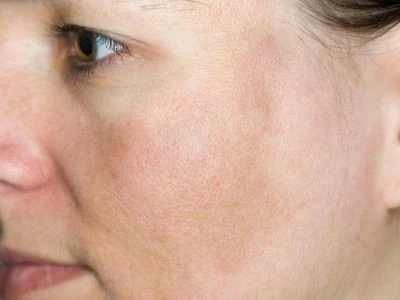
What is Skin Pigmentation?
Skin pigmentation refers to dark patches, uneven skin tone, or spots on the skin caused by excess melanin. It commonly appears on the face as melasma, tanning, dark spots, or post-acne marks.
When to consult a dermatologist for skin pigmentation?
Consultation is recommended if pigmentation is persistent, worsening, uneven, or not improving with basic skincare or home remedies.
Causes of pigmentation
Pigmentation can occur due to sun exposure, hormonal factors, acne, skin inflammation, use of certain products, or genetic predisposition.
What can happen if pigmentation is untreated
If not managed properly, pigmentation can become darker, more widespread, and difficult to treat over time.
How is pigmentation treated?
Treatment may include topical creams, strict sun protection, and procedures such as chemical peels or other therapies depending on the condition.
What to expect during pigmentation treatment
Improvement is gradual and requires consistent treatment and sun protection. Maintenance may be needed to prevent recurrence.
Consulting a dermatologist for pigmentation
Dr Amit Kumar Agarwal, a dermatologist in Siliguri, provides consultation for pigmentation with a structured approach. Consultation is recommended for proper diagnosis and long-term management.
FAQ’s on skin pigmentation
Common causes include sun exposure, hormones, acne, and skin inflammation.
Pigmentation can be treated and controlled, but some types may recur.
Yes, sun exposure is a major factor that can darken pigmentation.
Treatment may significantly reduce pigmentation, but maintenance is often required.
They may be advised in selected cases depending on the condition.
Improvement is gradual and may take a few months.
They may give limited benefit, but most cases need proper treatment.